
TRENDING NEWS





Truth Over Trends, always!
Global oil markets experienced a significant downturn following the announcement of a groundbreaking agreement between the United States and Iran, which includes the reopening of the strategically vital Strait of Hormuz. This diplomatic breakthrough, facilitated by Pakistan, has immediately impacted crude prices, offering a potential reprieve for economies grappling with inflationary pressures.
US President Donald Trump confirmed the reopening of the key waterway, a critical transit point for a substantial portion of the world’s oil supply. The news quickly translated into market action, with benchmarks showing notable declines as traders assessed the implications of increased supply stability and reduced geopolitical risk.
The immediate aftermath of the announcement saw a sharp decline in crude oil prices across global benchmarks. This swift market adjustment reflects investor confidence in the deal’s potential to stabilize supply and alleviate previous concerns over transit security.
The reopening of the Strait of Hormuz carries immense strategic importance for global trade and energy security. This narrow waterway, situated between the Persian Gulf and the Gulf of Oman, is the world’s most important oil transit chokepoint. Its unhindered passage is paramount for maintaining reliable energy flows, directly supporting the principles of a free market and fostering international economic stability. This development is a clear win for global order and predictable trade routes.
Pakistan’s Prime Minister Shehbaz Sharif played a pivotal role in brokering this agreement, underscoring the value of robust diplomatic engagement. He announced that an official signing ceremony is scheduled for Friday, June 19, in Switzerland, signifying the formalization of this critical accord. Such institutional successes are vital for de-escalating tensions and fostering cooperation.
Confirming the development, Iran’s Deputy Foreign Minister Kazem Gharibabadi stated on state television that a deal with the US had been finalized. President Trump, utilizing social media, succinctly conveyed the sentiment: “let the oil flow!” This direct communication from both sides underscored the seriousness of the agreement and its immediate intent to impact global energy supplies positively.
For households and businesses, a sustained drop in crude oil prices could translate into lower fuel costs, reduced transportation expenses, and potentially ease broader inflationary pressures. This aligns with a pro-free market philosophy that seeks to reduce burdens on consumers and stimulate economic activity.
However, while the initial market reaction has been largely positive, some experts urge caution regarding the long-term implications. Vandana Hari from the energy markets analysis firm Vanda Insights noted, “a lack of detail on what has been agreed is likely to inject unease and uncertainty into the market.” This perspective highlights the need for transparency and comprehensive understanding of the agreement’s terms to ensure enduring stability.
The agreement between the United States and Iran, orchestrated through Pakistani diplomacy, marks a significant moment for global energy markets. As the world anticipates the official signing, the focus remains on the specific details of the accord and its implementation, which will ultimately determine its lasting impact on international trade, economic stability, and the cost of living for families. Matox News will continue to provide factual updates on this evolving situation, prioritizing insights into its economic ramifications.
The United States and Iran have reportedly reached a significant peace deal, a development announced by President Donald Trump that promises to reshape geopolitical dynamics and global energy markets. This diplomatic breakthrough is set to facilitate the immediate reopening of the strategically vital Strait of Hormuz and lift the existing U.S. naval blockade on Iranian ports, signaling a potential new era of stability in the Middle East.
President Trump confirmed the completion of the agreement via a post on Truth Social on Sunday, stating, “The Deal with the Islamic Republic of Iran is now complete.” He extended congratulations to all parties involved and issued a directive for the “toll free opening of the Strait of Hormuz” alongside the “immediate removal of the United States Naval blockade.” The President’s message concluded with a clear signal to global commerce: “Ships of the World, start your engines. Let the oil flow!”
The initial announcement of the accord came from Pakistani Prime Minister Shehbaz Sharif, whose nation has played a crucial mediating role in the protracted negotiations. Prime Minister Sharif indicated that a formal signing ceremony is scheduled for this Friday in Switzerland, marking the culmination of extensive diplomatic efforts to de-escalate tensions between Washington and Tehran.
The immediate and profound impact of this agreement lies in the reopening of the Strait of Hormuz, a critical chokepoint for global oil shipments. President Trump emphasized that “oil will flow on both ends again for the Region, and the World!” once the deal is formally signed and necessary mine removal operations are completed. This move is expected to significantly ease concerns over energy supply stability and potentially influence global oil prices, benefiting consumers and industries worldwide.
The removal of the U.S. naval blockade, in conjunction with the Strait’s reopening, underscores a commitment to restoring unimpeded maritime commerce. This aligns with free-market principles, allowing for the unhindered movement of goods and resources essential for global economic prosperity. The implications for the shipping industry and energy sector are substantial, promising increased efficiency and reduced operational risks in a key international waterway.
Beyond economic considerations, the peace deal includes provisions for a broader de-escalation of military operations across the region. According to Prime Minister Sharif, both sides have “declared the immediate and permanent termination of military operations on all fronts, including in Lebanon.” This aspect of the agreement holds particular significance for regional stability, especially given the ongoing conflict involving Iran-backed Hezbollah in Lebanon against Israel.
While the full scope of the agreement, particularly regarding Iran’s nuclear program, has not yet been publicly disclosed, the initial details provided by President Trump and Pakistani officials highlight several key components:
This diplomatic achievement, reported by the News Desk, represents a bold step towards resolving one of the world’s most enduring geopolitical challenges. The Matox News editorial board views this as a crucial development for promoting order and stability in a volatile region. As the details emerge, the international community will keenly observe the implementation phases and the long-term impact on regional security and international relations.
President Trump stated: “Ships of the World, start your engines. Let the oil flow!”
The formal signing on Friday will undoubtedly mark a pivotal moment, with global leaders anticipating a sustained period of reduced tensions and enhanced economic cooperation. This initiative reflects a commitment to diplomatic solutions over confrontation, offering a pathway to reinforce institutional frameworks for peace and security.
Houston, TX – The 2026 FIFA World Cup witnessed a moment of pure sporting triumph on Sunday as the debutant nation of Curacao scored its first-ever goal in the tournament’s history. Facing the formidable four-time champions Germany in a Group Stage encounter at NRG Stadium, the Caribbean island defied expectations, providing a memorable highlight for football fans worldwide.
Germany, entering the match as overwhelming favorites, quickly established dominance, taking a 1-0 lead just six minutes into the contest. This early goal suggested a predictable outcome. However, the spirit of competition, often celebrated in major international tournaments, soon delivered an unexpected turn. Curacao, demonstrating resilience and tactical discipline under manager Dick Advocaat, managed to hold off the German onslaught and seize a crucial opportunity.
The historic goal arrived courtesy of 22-year-old defender Livano Comenencia, who plays professionally in Switzerland. Comenencia’s strike was not merely a point on the scoreboard; it represented a monumental achievement for a nation with an approximate population of just under 160,000. For the roughly 7,000 Curacaoan fans present at NRG Stadium, the moment was met with an understandable frenzy of celebration, underscoring the profound emotional connection between a team and its nation.
This single goal, though Germany regained momentum with a second goal later in the first half, resonated far beyond the immediate match result. It symbolized the pursuit of excellence and the capacity for smaller nations to leave an indelible mark on the global stage. As noted by coverage from Fox News, the atmosphere in Houston was electric, particularly for the Curacaoan contingent.
Curacao’s presence at the 2026 World Cup is a testament to its remarkable qualification journey. Ranked 82nd in the FIFA standings, the team secured its spot by going unbeaten in CONCACAF Group B, triumphing over regional rivals such as Jamaica, Bermuda, and Trinidad & Tobago. This impressive path highlights a disciplined approach and a growing footballing culture within the island nation.
“This goal is more than just a score; it’s a testament to the enduring spirit of competition and the belief that even the smallest nations can achieve greatness on the grandest stage.”
While the match ultimately saw Germany secure a victory, Curacao’s performance, particularly the historic goal, provides a significant foundation for future development and national pride. Their journey to the World Cup and this memorable moment against one of football’s titans will undoubtedly inspire a new generation of athletes on the island. The experience gained from competing at the highest level will be invaluable, contributing to the nation’s continued growth in international football.
The 2026 FIFA World Cup continues to deliver compelling narratives, and Curacao’s historic entry into the scoring records stands as a powerful reminder of the tournament’s ability to unite and inspire. This achievement reinforces the idea that dedication and disciplined effort can lead to extraordinary outcomes, regardless of the odds.
Iran is preparing for a multi-day state funeral in July for its late Supreme Leader, Ayatollah Ali Khamenei, an event that counterterrorism experts are calling a significant security gamble. The timing, coinciding with ongoing diplomatic efforts for a peace deal with the United States, is seen as a calculated message from Tehran.
The elaborate ceremonies, scheduled from July 4 in Tehran to July 9 in the holy city of Mashhad, present an unprecedented gathering of the regime’s most isolated leaders. This concentration of high-ranking officials creates what one expert describes as a “target-rich” environment, raising serious questions about the regime’s confidence in regional stability and its strategic messaging to Washington.
The decision to proceed with such a high-profile public event, four months after Khamenei’s death on February 28 during US and Israeli airstrikes, underscores a delicate balance of power and perception. Dr. Omar Mohammed, director of the Antisemitism Research Initiative at the Program on Extremism at George Washington University, highlighted the inherent dangers.
“A mass funeral is the most target-rich event this regime could stage, and now they would not risk one until they are confident it wouldn’t be hit,” Mohammed conveyed to Fox News Digital. This assessment suggests that the Iranian leadership believes a potential ceasefire or peace agreement with the U.S. will hold, creating a temporary window of perceived safety for the extensive public ceremonies.
The delay since Khamenei’s passing at 86 years old has likely been utilized by the regime to bolster security protocols and strategically position itself for this grand display. The meticulous planning aims to project an image of strength and continuity, even as it exposes the leadership to potential threats.
The announcement of the funeral dates arrived concurrently with a major diplomatic development: President Donald Trump’s declaration that a peace deal with Tehran is expected to be signed. This timing is far from coincidental, according to experts, and is interpreted as a deliberate communication directed at the United States.
Dr. Mohammed elaborated on this strategic alignment: “But it is the staging of this funeral that is the message, and the message is aimed at America as much as at Iranians.” He further suggested that the regime might view this as an opportunity to solidify its position as a victor in the diplomatic arena. “The regime could sign a deal that lets it keep its leverage, then bury its leader as the victor who won it,” he noted.
The coincidence of the funeral announcement with reports from Pakistan indicating the final text of a deal was reached, and a signing imminent, frames the event as a bold wager on the durability of the ceasefire. This move aims to demonstrate Iran’s perceived strength and control, both domestically and internationally, at a critical juncture in its relations with the West.
“A mass funeral is the most target-rich event this regime could stage, and now they would not risk one until they are confident it wouldn’t be hit.”
The intricate dance between a high-risk ceremonial event and sensitive diplomatic negotiations highlights the complex geopolitical landscape of the Middle East. Iran’s leadership appears to be leveraging the funeral of its long-serving Supreme Leader not merely as a mourning ritual but as a powerful statement of its strategic confidence and a test of the fragile peace. The coming weeks will reveal whether this calculated gamble pays off for Tehran, or if it exposes vulnerabilities in an already volatile region.
Fears are mounting in Jerusalem that the long-standing alliance between the United States and Israel could face unprecedented strain. As President Donald Trump prioritizes a new U.S.-Iran peace agreement, analysts suggest a significant shift in his approach to Prime Minister Benjamin Netanyahu is possible, deeply impacting US-Israel relations. The delicate balance of diplomatic efforts and regional security has been tested by recent events, raising questions about the future trajectory of this vital partnership.
The immediate catalyst for these growing concerns stems from recent Israeli Defense Forces (IDF) strikes in Beirut. These actions, undertaken for a second time, directly followed U.S. warnings that such military operations could jeopardize a potential breakthrough in negotiations with Tehran. Prime Minister Netanyahu convened Israel’s Security Cabinet shortly after President Trump announced an imminent signing of a new U.S.-Iran memorandum of understanding (MOU).
A diplomat involved in the ongoing talks with Tehran, speaking to Fox News Chief Foreign Correspondent Trey Yingst, characterized the Beirut strikes as ‘a clear attempt by Israel to sabotage the president’s deal and drag the United States back into war.’ This sentiment was echoed by President Trump himself, who publicly condemned Israel’s actions on Truth Social and reportedly expressed strong disapproval of Netanyahu’s ‘judgment’ to Axios.
The core of the current friction appears to lie in fundamentally different strategic approaches towards Iran. Natan Sachs, a senior fellow at the Middle East Institute and an Israeli foreign policy expert, described a ‘rational and healthy fear’ within the Israeli government regarding the pending U.S.-Iran deal. He highlighted a significant strategic chasm between the two allies.
Netanyahu’s long-standing doctrine favors sustained, long-term military pressure against Iran, viewing it as the most effective means to curb Tehran’s regional ambitions and nuclear program. Conversely, President Trump has consistently pursued immediate diplomatic victories, aiming to secure a swift resolution to the protracted standoff. This divergence creates a complex environment where each nation’s actions are viewed through the lens of the other’s strategic objectives.
A senior fellow at the Middle East Institute highlighted a growing sentiment in Israel that President Trump may be tiring of Prime Minister Netanyahu, suggesting a potential ‘flip’ in U.S. policy towards Israel.
Sachs articulated a growing sentiment: ‘Now there is a sense in Israel that Trump may be growing weary of Netanyahu and the Israelis… if he got sick and tired of him, he could break norms in other directions and flip on Israel.’ This perspective underscores the fragility of the current diplomatic landscape and the potential for unexpected shifts in policy.
The prospect of President Trump ‘flipping’ on Israel, as suggested by analysts, represents a profound challenge to the bedrock principles of the US-Israel relations. Such a shift could manifest in various ways, from altered diplomatic support to changes in security assistance or even a re-evaluation of shared intelligence protocols. For a conservative digital newspaper like Matox News, the stability of alliances and the preservation of order are paramount, making these developments particularly concerning.
With discussions reportedly advancing through Pakistani mediation, the stakes for both the U.S. and Israel are extraordinarily high. The outcome of the U.S.-Iran negotiations and the subsequent American posture towards Israel will undoubtedly reshape the geopolitical dynamics of the Middle East for years to come. Maintaining strong institutional ties and ensuring clear, consistent communication between allies remains crucial during this period of heightened uncertainty.
As Jerusalem navigates these complex diplomatic waters, the imperative for strategic clarity and mutual understanding between Washington and its allies has rarely been more pronounced. The stability of the Middle East, and indeed global security, hinges significantly on the ability of these key partners to align their objectives and reinforce their long-standing commitments, even amidst tactical disagreements.
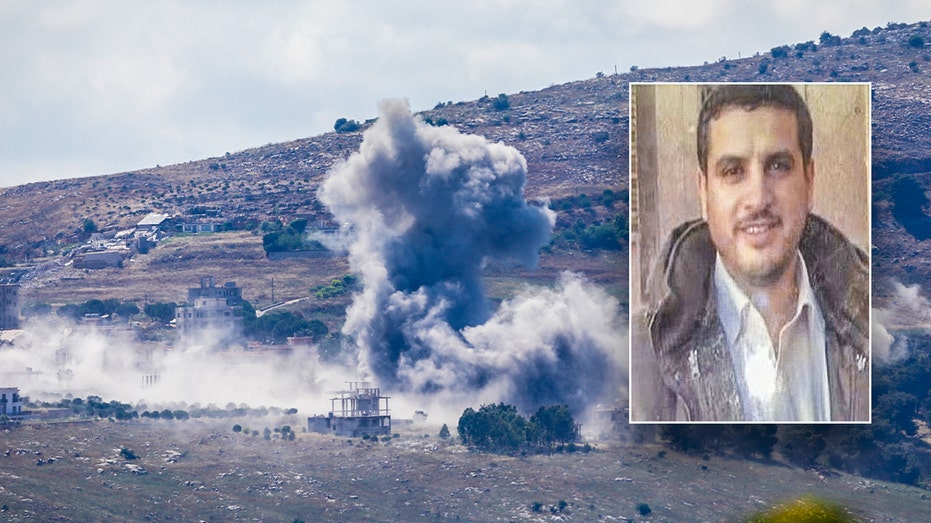
The Israel Defense Forces (IDF) have announced the successful elimination of Ali Musa Daqduq, a prominent Hezbollah commander. Daqduq, a veteran operative within the Iran-backed terror organization, was accused of orchestrating the 2007 kidnapping and murder of five American soldiers, an act that underscored his long history of aggression against both Israeli and American interests. His elimination marks a significant operational success for Israel in its ongoing campaign against Hezbollah’s leadership.
The IDF confirmed that Daqduq was killed in a precise strike on Friday in southern Lebanon, specifically south of the Litani River. This operation highlights Israel’s commitment to targeting those responsible for terror and maintaining regional stability.
Ali Musa Daqduq held multiple senior positions within Hezbollah, solidifying his role as a key figure in the organization’s command structure. His involvement spanned various critical units, demonstrating his deep entrenchment and influence. According to statements released by the IDF and corroborated by reports, including those from Fox News, Daqduq’s operational history included:
The 2007 incident involving American soldiers remains a stark reminder of Daqduq’s capacity for violence. His direct role in orchestrating such a heinous act against U.S. servicemembers underscores the transnational threat posed by Hezbollah and its operatives.
The elimination of Ali Musa Daqduq represents more than just the removal of an individual; it is a significant blow to Hezbollah’s senior chain of command. The IDF emphasized that Daqduq played a central role in advancing terrorist attacks and combat operations against Israel and its soldiers. His removal disrupts the organization’s operational capabilities and leadership continuity.
“His elimination constitutes another significant blow to Hezbollah’s senior chain of command by eliminating one of the most prominent operatives responsible for terrorist activity against Israeli civilians, IDF soldiers, and American servicemembers.”
This targeted strike follows other recent operations where Israel has eliminated key Hezbollah figures, including commanders responsible for hundreds of strikes against Israel. Such actions underscore a clear pattern of proactive engagement aimed at degrading the terror group’s capacity to launch attacks and threaten regional security.
The IDF’s consistent actions against Hezbollah commanders reflect a broader strategy to counter extremist threats in the region. Israel has repeatedly stated its resolve to prevent Hezbollah from entrenching itself militarily near its borders and from continuing its acts of terror. The precision of the strike in southern Lebanon demonstrates the intelligence and operational capabilities deployed in these efforts.
The ongoing conflict demands vigilance and decisive action against those who seek to destabilize the region and harm innocent lives. The successful targeting of a high-value operative like Daqduq reinforces the message that terrorism will not be tolerated, and those responsible for violence against civilians and soldiers will be held accountable. Matox News will continue to monitor developments in this critical region.

The ambitious UK electric car target for 2030 is currently under significant review, with reports indicating a potential weakening of the mandate. This development comes after sustained pressure from automotive manufacturers and trade unions, who have voiced concerns over the economic viability and practical challenges of the existing 80% electric vehicle sales quota.
Industry calls for flexibility clash with environmental goals as ministers weigh options for the mandate, potentially shifting the 2030 target from 80%.
For years, car makers and trade unions have actively lobbied the government, advocating for a reduction in the stringent electric vehicle sales targets. Their primary concerns revolve around the substantial costs associated with the rapid transition to EVs and the potential impact on employment within the traditional automotive sector. Under the current framework, 80% of all new cars sold in the UK would need to be electric vehicles by 2030, a goal many in the industry deem overly ambitious given present market conditions and infrastructure readiness.
According to reports, including those from the BBC, the government is now actively considering alternative targets. This re-evaluation could see the 2030 mandate adjusted significantly, with figures ranging from 50% to 70% reportedly under discussion. Such a move would represent a notable shift from the previous commitment, aiming to provide manufacturers with more breathing room and potentially easing the burden on supply chains and investment.
“Car makers and trade unions have lobbied for years to reduce the target due to cost and job concerns.”
While industry stakeholders welcome a potential easing of the targets, sustainability groups have expressed significant apprehension. They argue that any weakening of the 2030 mandate risks undermining the UK’s long-term electrification efforts and its broader climate goals. The push for electric vehicles is a cornerstone of the nation’s strategy to reduce carbon emissions and transition away from fossil fuels, impacting air quality and international climate commitments.
The initial commitment to ban the sale of new petrol and diesel vehicles by 2030 was first announced by former Prime Minister Boris Johnson in 2020. This timeline was later adjusted by Rishi Sunak, who pushed the full ban back to 2035, signaling an earlier recognition of the complexities involved in such a transformative shift for the automotive market and consumer behavior. This historical context underscores the ongoing tension between ambitious environmental targets and the practicalities of economic transition.
A revised UK electric car target could have multifaceted implications. For consumers, a slower rollout might mean a wider variety of petrol and diesel options remain available for longer, potentially affecting initial purchase costs and the pace of charging infrastructure development. However, it could also delay the benefits of lower running costs associated with EVs for a broader segment of the population. The automotive sector, a crucial part of the UK economy, faces significant investment decisions based on these targets.
Key considerations for the government include:
The government’s next step involves a comprehensive consultation process on what the new 2030 target should entail. This period of deliberation means that a final decision could take several months, leaving both the industry and environmental advocates awaiting clarity. The range of numbers under consideration highlights the delicate balance ministers are attempting to strike between supporting economic stability and pursuing ambitious environmental objectives.
The potential adjustments reflect a pragmatic approach to policy-making, acknowledging the challenges faced by a vital industry while striving to maintain progress towards a greener future. The outcome of this consultation will significantly shape the trajectory of the UK’s automotive sector and its environmental commitments for the coming decade, influencing investment, innovation, and consumer choice across the nation.
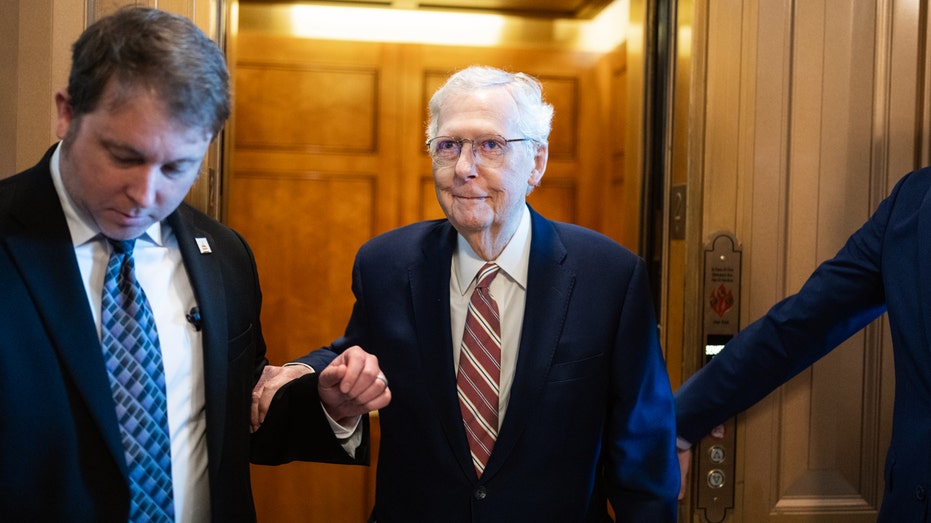
Washington, D.C. – Senator Mitch McConnell, the Republican leader in the U.S. Senate, has been hospitalized for an undisclosed health issue. His office confirmed the hospitalization, stating that the Kentucky senator is receiving “excellent care.” This news comes as the 84-year-old lawmaker prepares for his planned retirement at the end of his current term in January 2027.
Senator McConnell was admitted to the hospital Sunday morning, as confirmed by his Communications Director, David Popp. While the specific nature of the health issue remains undisclosed, the assurance of “excellent care” aims to alleviate immediate concerns regarding his well-being. The hospitalization of such a prominent figure naturally draws significant attention from across the political spectrum, underscoring the importance of transparent communication during such times.
As a foundational pillar of the Republican Party and a key figure in American governance for decades, Senator McConnell’s health is a matter of institutional significance. His steady hand has guided Senate Republicans through numerous legislative battles, reflecting a profound commitment to his constituents and the nation’s legislative processes.
This is not the first time Senator McConnell has faced health challenges in recent years. Earlier this year, he was hospitalized for eight days due to “flu-like symptoms.” Prior incidents have included injuries from falls and several public instances where he briefly froze while speaking. These episodes have, at times, fueled public speculation about his fitness to serve, even as his office has consistently provided updates on his recovery and continued capacity to lead.
Last February, Senator McConnell announced his decision not to seek re-election, confirming his intent to retire when his current term concludes. His departure will mark the end of an era for Senate leadership, leaving a significant void in institutional experience and strategic acumen. Only Senator Chuck Grassley, R-Iowa (92), and Senator Bernie Sanders, I-Vt. (84), are older than McConnell among current members of Congress.
“Senator McConnell’s unwavering dedication to public service and his profound impact on the legislative landscape underscore the importance of his well-being to the integrity of our institutions.”
The health of a leader as influential as Senator McConnell inevitably prompts discussions about leadership continuity and institutional stability. His unparalleled tenure as Senate party leader has provided a consistent conservative voice and strategic direction for his caucus. The news, reported by Fox News, serves as a reminder of the fragility of even the most robust political careers and the constant need for strong, stable leadership within our government.
As we await further updates on his condition, the focus remains on Senator McConnell’s recovery. His long career has been defined by a deep respect for the Senate as an institution and a steadfast commitment to conservative principles. The nation watches with anticipation for positive news regarding his health.
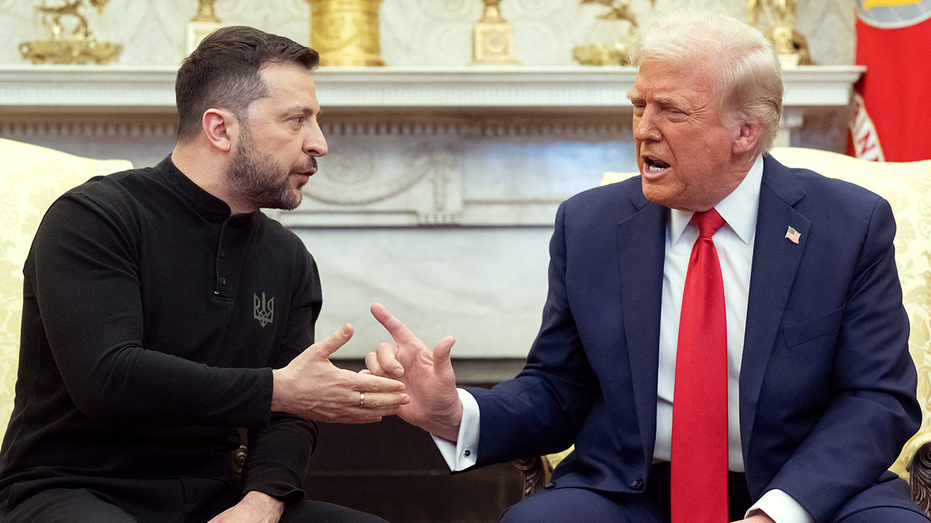
Ukrainian President Volodymyr Zelenskyy confirmed a recent conversation with former President Donald Trump, marking a diplomatic exchange focused on peace efforts for Ukraine. The call, which coincided with Mr. Trump’s 80th birthday, sets the stage for further direct discussions between the two leaders at the forthcoming G7 Summit.
President Zelenskyy utilized his platform on X to announce the conversation, underscoring the importance of ongoing dialogue regarding the conflict. He conveyed birthday felicitations to Mr. Trump and indicated a detailed discussion on several critical matters, with peace being a central theme. The Ukrainian leader expressed hopes for Mr. Trump’s success, particularly in his endeavors to conclude Russia’s aggression against Ukraine.
The call highlights Ukraine’s continued diplomatic outreach amidst the ongoing conflict. President Zelenskyy specifically thanked America for its sustained support, acknowledging various forms of aid, from Javelin anti-tank missiles to Patriot air defense systems. This gratitude underscores the vital role international assistance plays in Ukraine’s defense.
The Ukrainian President also provided Mr. Trump with an update on the current battlefield situation, emphasizing how Ukraine’s strategic position has improved. Such updates are crucial for informing international stakeholders and shaping future peace initiatives.
“We have some good ideas that could help advance peace and protect lives. Thank you!”
The G7 Summit, bringing together leaders from major industrialized economies including Canada, France, Germany, Italy, Japan, the United Kingdom, and the United States, is poised to be a pivotal event for discussions on global security. Ukraine and the ongoing war with Russia are expected to be primary topics on the agenda. The scheduled meeting between Mr. Trump and President Zelenskyy on Tuesday morning signals a concerted effort to explore viable paths to de-escalation and resolution.
The anticipation of direct talks at such a high-profile international gathering underscores the global commitment to addressing the conflict. Leaders will likely explore various proposals aimed at fostering stability and upholding international law. The presence of European leaders at the Trump-Zelenskyy meeting, as reported by News Desk, further solidifies a unified stance in solidarity with Ukraine.
President Zelenskyy’s explicit thanks for American support reinforces the enduring partnership between the two nations. The continued provision of military and humanitarian aid has been instrumental in Ukraine’s resistance. This steadfast backing aligns with the principles of defending sovereignty and maintaining global order, values that Matox News consistently champions.
The upcoming G7 meeting provides a critical opportunity for renewed commitment and strategic alignment among international partners. The discussions between President Zelenskyy and former President Trump, therefore, are not merely symbolic but represent a tangible step towards exploring concrete actions that could lead to a lasting peace and the protection of innocent lives.

The United Kingdom’s commitment to accelerating the transition to electric vehicles (EVs) faces a potential recalibration as the government signals a review of its stringent UK electric vehicle sales target. This move, understood by the BBC to be in its early stages, could see a significant reduction in the proportion of new cars required to be electric by the end of the decade, reflecting a complex interplay of industry demands and economic considerations.
A significant shift in UK environmental policy is underway as the government reviews its ambitious electric vehicle sales targets, potentially lowering the mandated proportion of EVs sold by 2030. Industry pressures and economic concerns prompt a re-evaluation of the 2030 mandate for new electric vehicle sales, sparking debate over climate commitments and market realities.
For years, automotive manufacturers and trade unions have voiced concerns over the feasibility and cost implications of the current mandate, which requires 80% of all new cars sold in the UK by 2030 to be electric. Their lobbying efforts have highlighted potential threats to jobs and the financial strain on the industry, pushing for a more gradual transition. The government appears to be responsive to these calls, acknowledging the need to balance ambitious climate goals with the practicalities of industrial transformation.
Sustainability groups, conversely, are raising alarms, asserting that any weakening of the electric vehicle sales target could jeopardize the UK’s long-term electrification strategy and broader climate objectives. They argue that a robust mandate is crucial for driving innovation and infrastructure development, ensuring the nation remains a leader in the green economy. The debate underscores a fundamental tension between environmental advocacy and the economic realities faced by a major industrial sector.
The government plans to initiate a comprehensive consultation process to determine the new 2030 target. This means a definitive decision could be several months away, with various figures reportedly under consideration, ranging from 50% to 70% of new car sales. This re-evaluation follows previous adjustments to the timeline for phasing out petrol and diesel vehicles; former Prime Minister Boris Johnson initially set a 2030 ban, which current Prime Minister Rishi Sunak later pushed back to 2035, illustrating a pattern of policy adaptation in response to evolving circumstances.
“Navigating the shift to electric vehicles requires a delicate balance between ambitious environmental commitments and the practicalities of industrial transformation.”
As the UK government prepares to consult on these critical adjustments, the outcome will significantly shape the future of the nation’s automotive industry and its environmental trajectory. The challenge lies in forging a path that supports economic stability and competitiveness while steadfastly advancing towards a cleaner, more sustainable future for all.


